

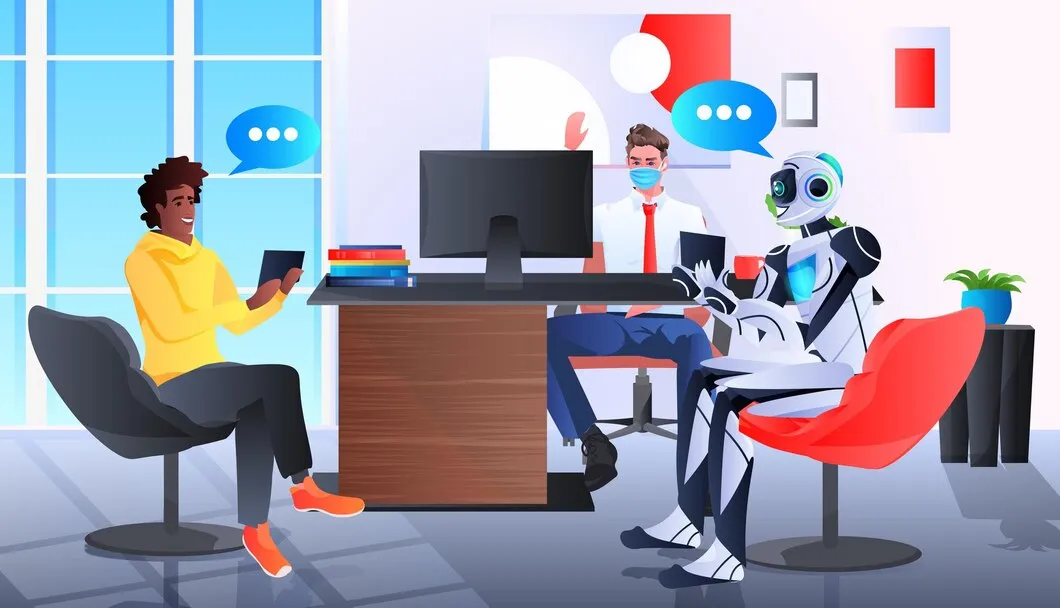

The workplace is undergoing a radical transformation, driven by artificial intelligence (AI) and automation. From virtual assistants to predictive analytics, AI is no longer a futuristic concept—it’s here, and it’s changing how businesses operate.
1. AI-Powered Productivity
AI tools like ChatGPT, Microsoft Copilot, and Google Gemini are streamlining workflows by:
-
Automating repetitive tasks (emails, data entry, scheduling)
-
Generating real-time insights from big data
-
Enhancing decision-making with predictive analytics
Example: A marketing team uses AI to analyze customer behavior and automate personalized campaigns, increasing engagement by 30%.
2. The Rise of Hybrid & Remote Work
AI is enabling seamless collaboration across geographies with:
-
Smart scheduling assistants that optimize meeting times across time zones
-
AI-driven project management tools that predict bottlenecks
-
Virtual reality (VR) meeting spaces for immersive collaboration
3. Upskilling & the Human-AI Partnership
Rather than replacing jobs, AI is augmenting human potential:
-
Employees can focus on creativity, strategy, and problem-solving
-
AI-powered learning platforms personalize upskilling programs
-
New roles like AI trainers, ethics auditors, and automation specialists are emerging
4. Ethical Considerations
As AI adoption grows, businesses must address:
-
Bias in algorithms – Ensuring fairness in hiring and decision-making
-
Data privacy – Protecting sensitive employee and customer information
-
Job displacement – Reskilling workers for AI-augmented roles
What’s Next?
The future workplace will be smarter, faster, and more adaptive—but success depends on balancing AI efficiency with human ingenuity.
“The best businesses won’t just use AI—they’ll integrate it ethically to empower their workforce.”
What’s your take?
-
Is AI making your job easier or more complex?
-
What AI tools do you rely on daily?
Let’s discuss in the comments!